
The Warmboard Guide to Energy Efficiency
As temperatures drop this winter, the surge in energy demand is leaving many homeowners facing unexpectedly high utility costs. With energy costs constantly on the rise, the quest for a more efficient way to heat our homes has moved from a luxury wish list to a financial necessity.
While traditional forced-air systems have been the “standard” for decades, they are notoriously wasteful. If you’re looking to lower your heating costs without sacrificing your comfort, the secret lies beneath your feet. Here is how Warmboard radiant floor heating transforms your home into an energy-saving powerhouse.
1. Stop Heating the Ceiling
In a traditional forced-air home, hot air is blasted out of vents at 120°F–140°F. Because hot air rises, it immediately heads for the ceiling, leaving you—the person standing on the floor—chilly. This “stratification” means you often have to crank the thermostat to a higher temperature just to feel warm at eye level. This also means that in a two-story house, you may be comfortable in your living room, only to feel stifling hot when you go to bed upstairs.
The Warmboard Difference: Radiant heat warms objects and people directly through infrared energy. It keeps the heat where you are. Because the floor is the warmest part of the room, you can typically set your thermostat 3° to 5° lower than a forced-air system and feel the ideal level of comfort in every room in your home.
2. Eliminate “Parasitic” Heat Loss
Did you know that forced-air systems can lose up to 30% of their energy before the air even reaches your room? This is called “parasitic loss.” Heat escapes through leaky ductwork in crawlspaces and attics, and the high air pressure created by blowers often forces warm air out of your home through tiny gaps in windows and doors.
The Warmboard Difference: Warmboard uses a closed-loop hydronic system. There are no ducts to leak and no blowers to create drafts. By eliminating these systemic inefficiencies, you keep the heat you pay for inside your living space.
3. The Power of Precise Zoning
The vast majority of forced-air systems are “all or nothing”—one thermostat controls the entire house. This means you’re paying to heat guest rooms, storage areas, or rooms that nobody is using. You’re also using one temperature for the entire home. And just because the area where your thermostat is comfortable doesn’t mean other rooms are.
The Warmboard Difference: Radiant heating is inherently easy to zone. With Warmboard, you can easily set different temperatures for different rooms.
- Living Room: 70°F during the day.
- Bedrooms: 65°F for better sleep.
- Guest Suite: 55°F when empty.
This level of control can lead to massive savings on your monthly bill.
4. Lower Water Temperatures = Higher Efficiency
The hallmark of Warmboard’s patented design is its thick aluminum surface. Aluminum is an incredible conductor, spreading heat across the entire floor surface with unmatched speed.
Because Warmboard is so conductive, it can heat your home using significantly lower water temperatures than other radiant systems. While wall radiators use 180ºF water and a “high-mass” concrete slab might require water at 140°F, Warmboard often operates at 100°F or lower. This allows your boiler or heat pump to run in its most efficient “condensing” range, further reducing fuel consumption.
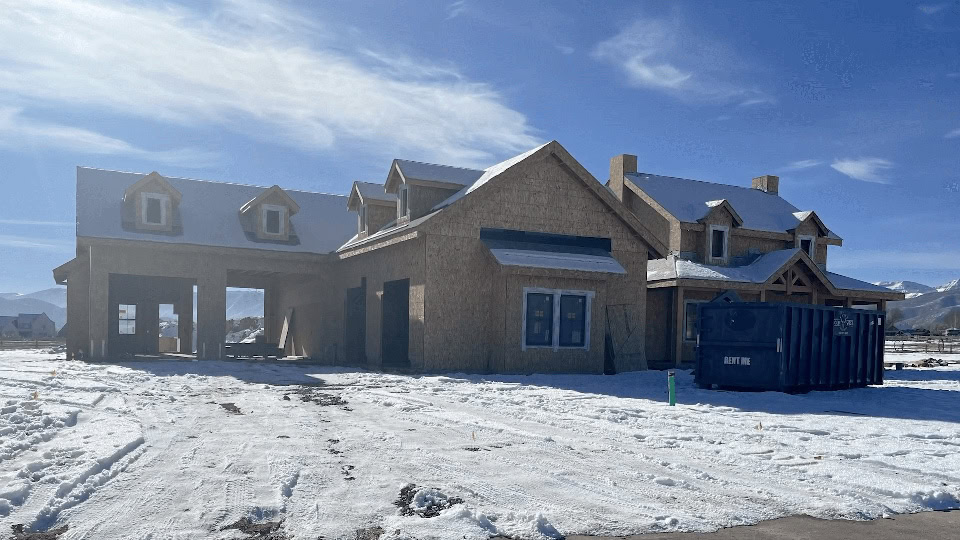
Watch how a new custom house is being built from the ground up with a Warmboard Comfort System during a snowy Utah winter:
The Bottom Line
Switching to a Warmboard radiant system isn’t just an upgrade in luxury—it’s a long-term investment in your home’s efficiency. Many homeowners see a 25% to 30% reduction in energy usage compared to forced air, though most experience significantly greater savings when utilizing modern smart controls.
Related blog posts: