Design
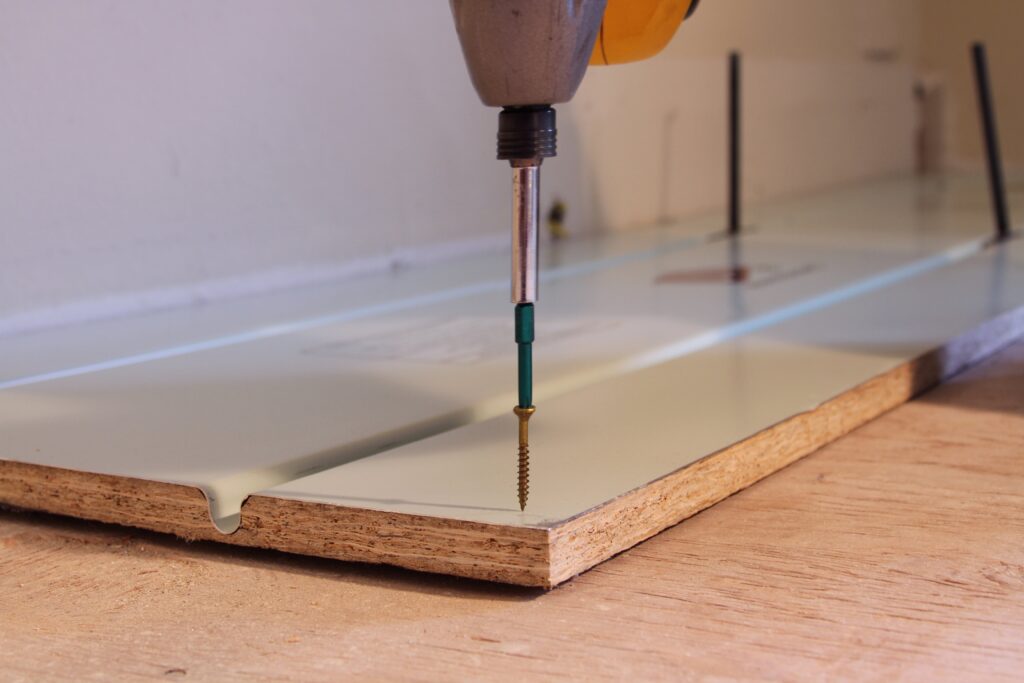
Because Warmboard is part of conventional framing, most framing details and structural considerations are identical to structures built without radiant. Warmboard is only a pound per square foot heavier than 3/4″ subfloor which means virtually no change in structural design. Conversely, thin slabs poured on subfloor add between 15 and 25 pounds per square foot of dead load. This is approximately ten tons when added to just 1000 square feet of floor area. In most cases this means upsizing joists to the next 2″ increment. Supporting beams go up in size as well. And if you are in a seismic zone, the lateral loads caused by slabs on second stories can be enormous, necessitating all sorts of special engineering along with associated increase in construction cost. Warmboard manufactures four modular panel types four modular panel types to create an infinite variety of radiant tubing layouts.
Upsized joists plus the thickness of the slab can add about 3″ per story to the overall height of the structure. In areas with critical zoning code restrictions on height, this can cause a problem. Even where it is not a zoning issue, height variations require extra sills under all walls at minimum. In many cases special details are required at transitions from hardwood areas or at staircases.
Construction details for hardwood installations over slabs are particularly difficult to get right. There are numerous moisture control and fastening issues, which must be mitigated. Warmboard however, is a dry wood panel, which has an ideal thickness for nailing hardwood in place. No special details are required.